Africa's highest peak at 5,895m — the Roof of Africa. Five distinct climate zones from tropical to arctic in one ascent.
Mount Kilimanjaro is more than Africa's highest peak — it's one of the world's most iconic mountains and a bucket-list destination for adventurers worldwide. Rising 5,895 meters above sea level near the town of Moshi in northeastern Tanzania, Kilimanjaro is the world's tallest free-standing mountain and the highest walkable summit on Earth (no technical climbing required).
What makes Kilimanjaro truly extraordinary is the journey through five distinct climate zones in a single ascent: cultivated farmland, lush rainforest, moorland heath, alpine desert, and finally the arctic summit zone with its glaciers and snow fields. Each zone presents dramatically different landscapes, flora, and fauna — condensing a journey from the equator to the poles into just a few days of trekking.
The mountain offers several routes to the summit, each with its own character. The Machame Route ("Whiskey Route") is the most scenic and popular; the Marangu Route ("Coca-Cola Route") is the only route with hut accommodation; the Rongai Route approaches from the quieter Kenyan side. Each requires 5-9 days, with longer routes offering better acclimatization and higher success rates.
Standing on Uhuru Peak — the summit — at sunrise, watching the shadow of Kilimanjaro stretch across the African plains below, is one of the most emotional and transformative experiences a traveler can have. It's a personal triumph that stays with you forever.

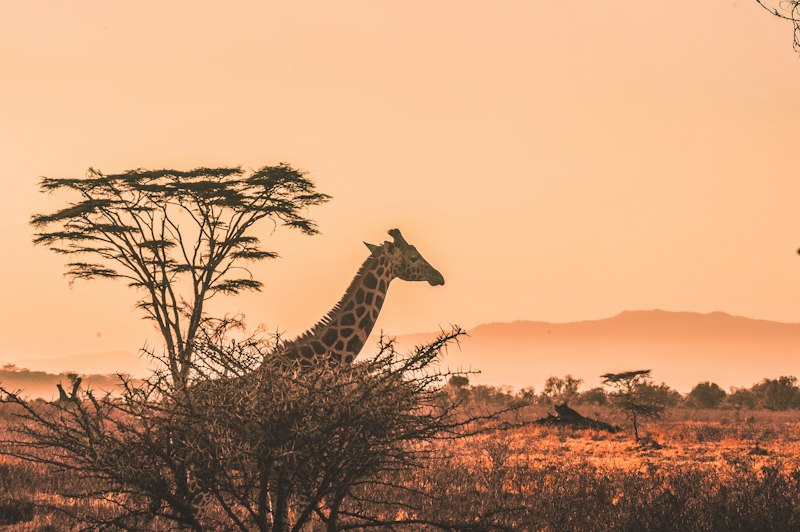

Home of the Great Wildebeest Migration and the Big Five — the Serengeti is Africa's most iconic wilderness.
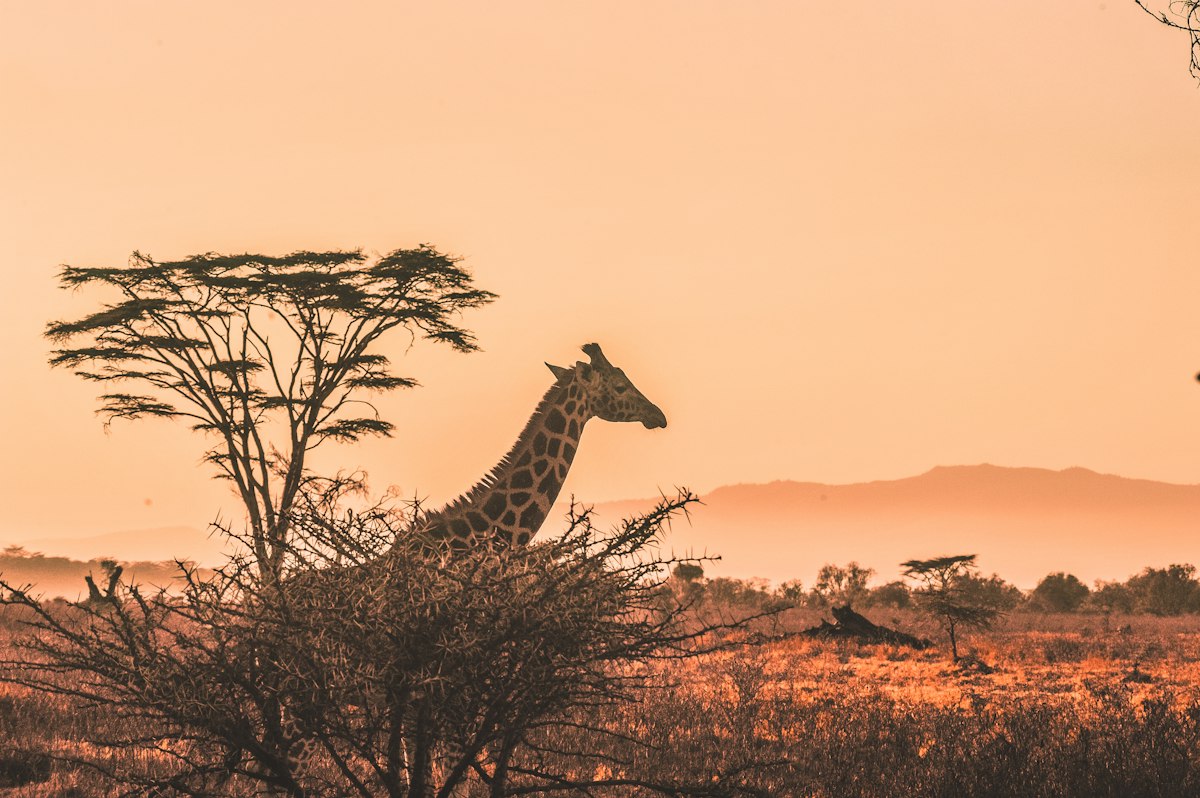
The world's largest intact volcanic caldera — a UNESCO World Heritage Site teeming with 25,000 large animals in 260 km².
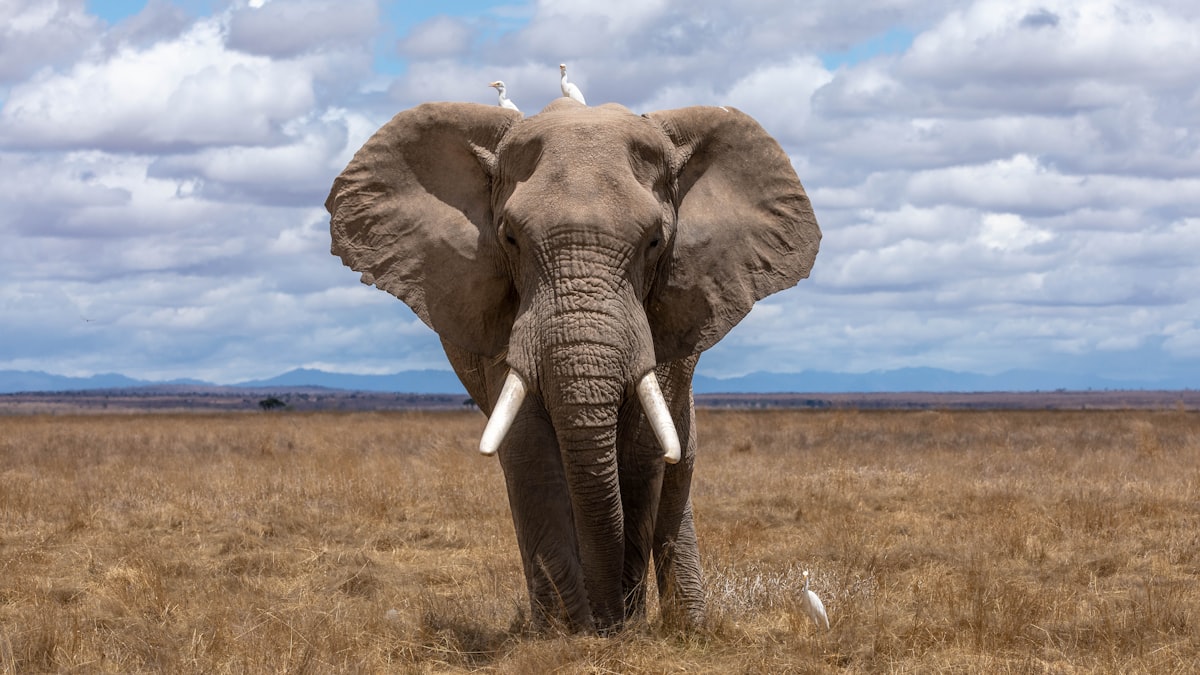
Tanzania's elephant paradise — ancient baobab forests, massive herds, and over 550 bird species in a stunning landscape.
Let us craft your perfect safari experience. From the Serengeti plains to the summit of Kilimanjaro, your journey begins with a single step.