Home of the Great Wildebeest Migration and the Big Five — the Serengeti is Africa's most iconic wilderness.
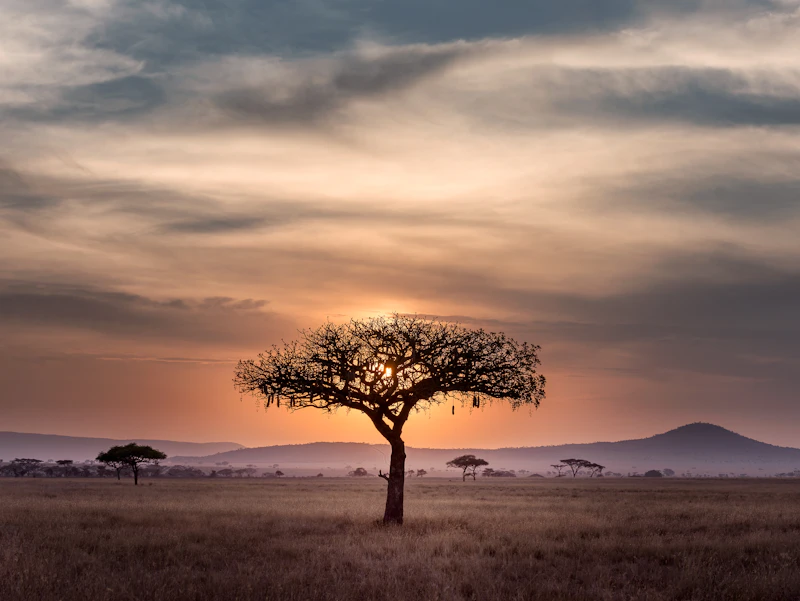
The Serengeti National Park, covering 14,763 square kilometers of pristine African wilderness, is Tanzania's oldest and most famous national park. Its name, derived from the Maasai word "Siringet" meaning "endless plains," perfectly captures the vast, treeless expanses that define this extraordinary landscape.
The park is most renowned for hosting the Great Wildebeest Migration — one of nature's most spectacular events. Each year, over 1.5 million wildebeest, accompanied by hundreds of thousands of zebras and gazelles, traverse the Serengeti in a relentless clockwise circuit driven by the rains, creating unforgettable scenes of river crossings, predator-prey drama, and sheer natural wonder.
Beyond the migration, the Serengeti boasts the highest concentration of large predators in Africa. Lions, leopards, cheetahs, hyenas, and wild dogs roam freely across the plains. The central Seronera Valley, with its kopjes (rocky outcrops) and river systems, is particularly legendary for big cat sightings.
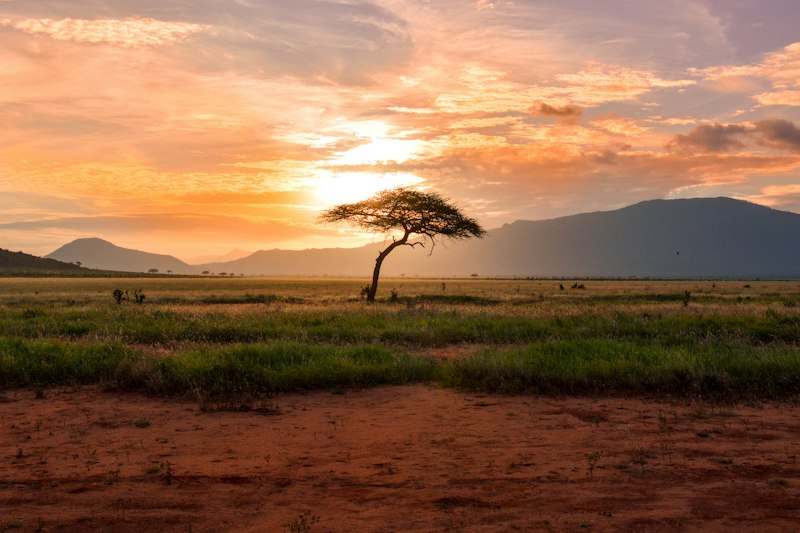
The landscape shifts dramatically from the short-grass plains of the south to the wooded hills of the north, the acacia woodlands of the west, and the kopjes scattered throughout — each habitat supporting distinct wildlife communities and offering unique safari experiences.

The world's largest intact volcanic caldera — a UNESCO World Heritage Site teeming with 25,000 large animals in 260 km².
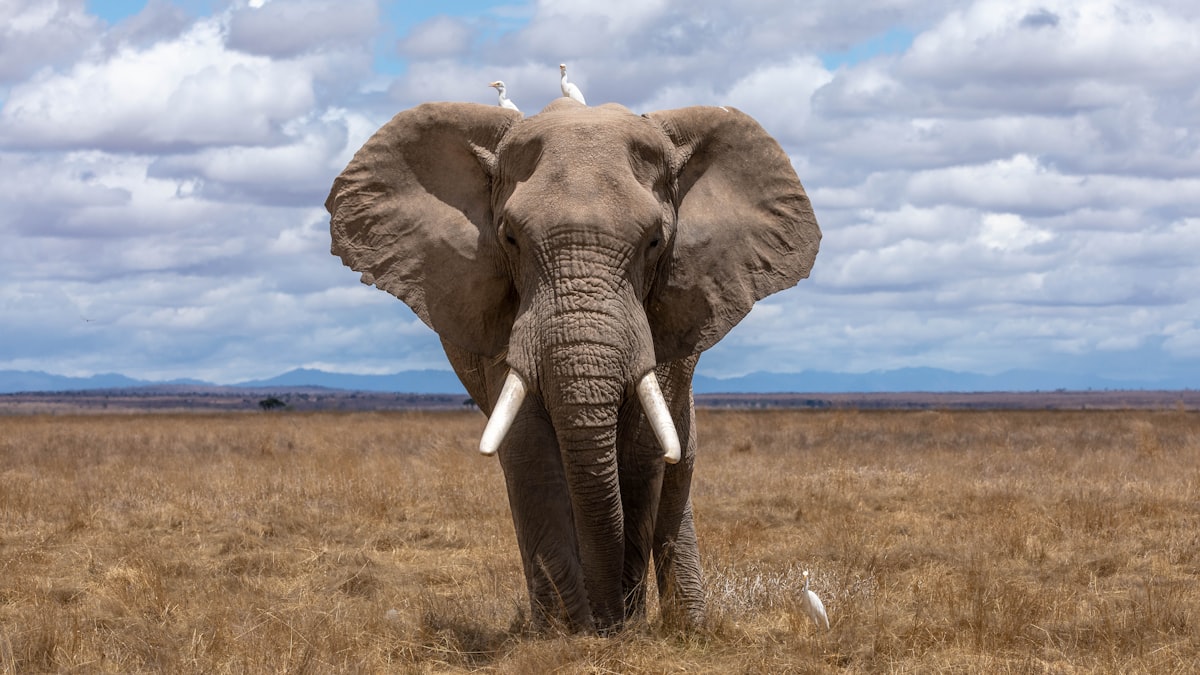
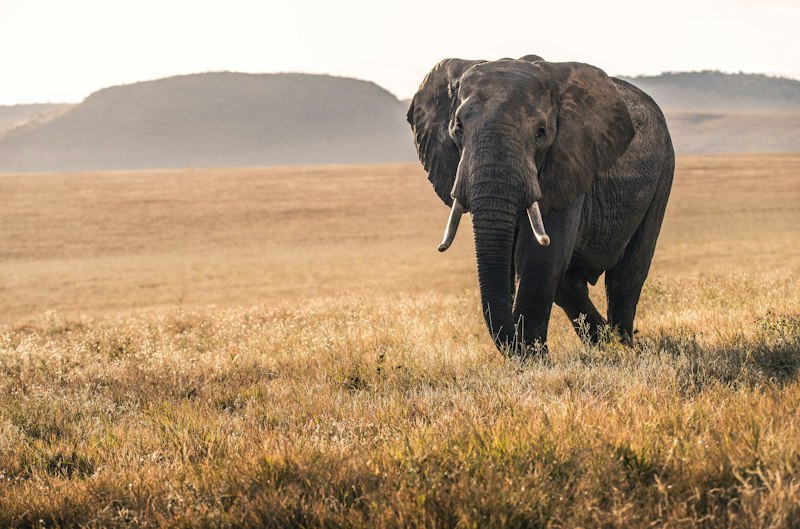
Tanzania's elephant paradise — ancient baobab forests, massive herds, and over 550 bird species in a stunning landscape.
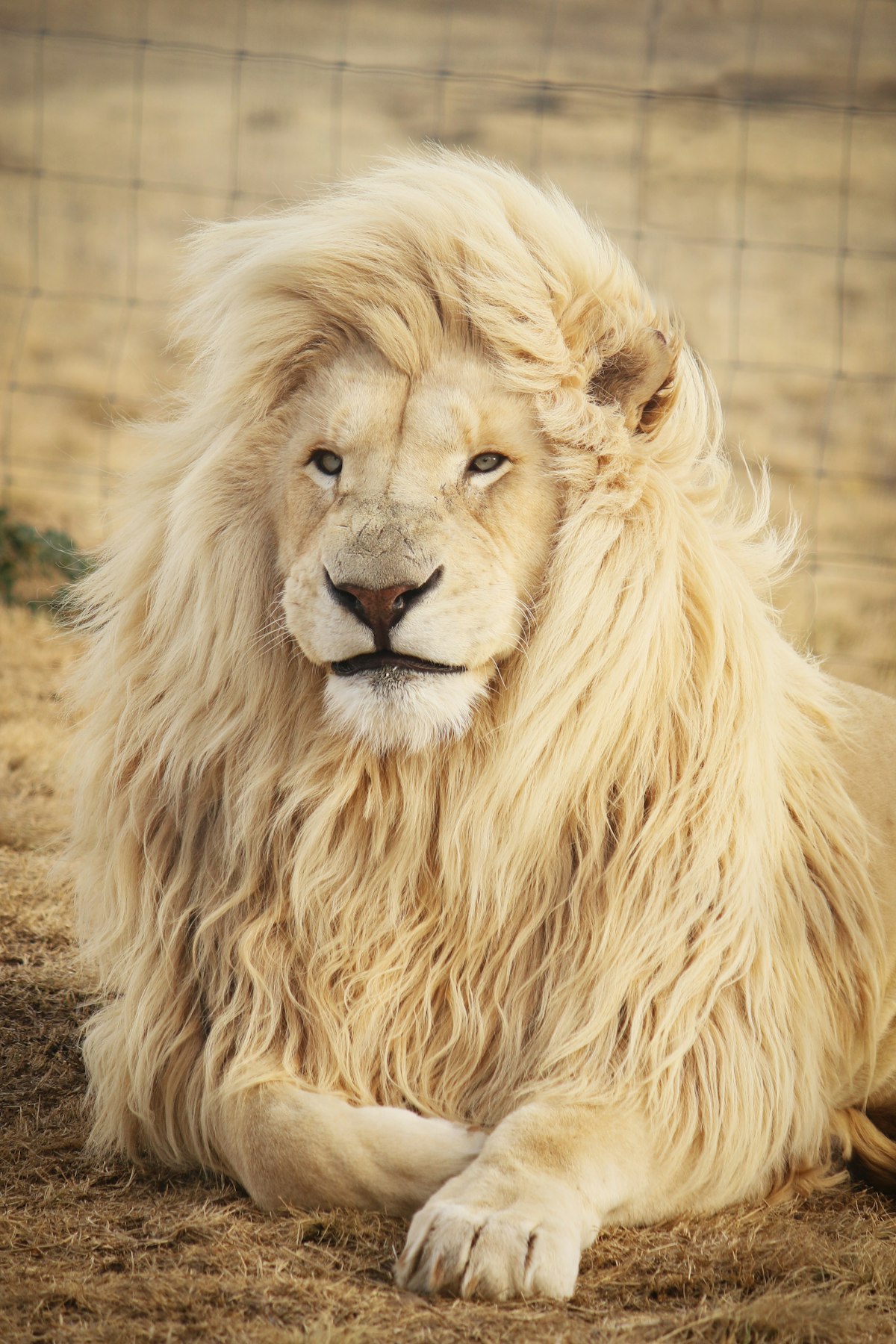
Compact but spectacular — famous for tree-climbing lions, vast flocks of flamingos, and dramatic Rift Valley escarpment views.
Let us craft your perfect safari experience. From the Serengeti plains to the summit of Kilimanjaro, your journey begins with a single step.