The world's largest intact volcanic caldera — a UNESCO World Heritage Site teeming with 25,000 large animals in 260 km².
The Ngorongoro Crater is often called the "Eden of Africa" and for good reason. This UNESCO World Heritage Site is the world's largest intact, unflooded volcanic caldera — a natural amphitheater spanning 260 square kilometers of grasslands, forests, and lakes that shelters an extraordinary concentration of wildlife.
Formed when a giant volcano exploded and collapsed on itself some 2-3 million years ago, the crater's 600-meter-deep walls create a natural enclosure that supports roughly 25,000 large animals. The crater floor is home to the densest population of lions in the world, alongside black rhinos (one of the best places in East Africa to spot them), elephants, buffalo, flamingo-lined Lake Magadi, and an astonishing variety of birdlife.
The Ngorongoro Conservation Area extends far beyond the crater itself, encompassing the Olduvai Gorge — one of the most important paleoanthropological sites in the world where the Leakey family discovered early human fossils. The area also hosts Maasai communities who live and graze their cattle alongside wildlife, offering a unique cultural dimension to any visit.
A game drive descent into the crater is a must-do Tanzanian experience. The early morning mist rising from the crater floor, the panoramic rim views, and the sheer abundance of wildlife make this one of the most rewarding single-day safari destinations on Earth.
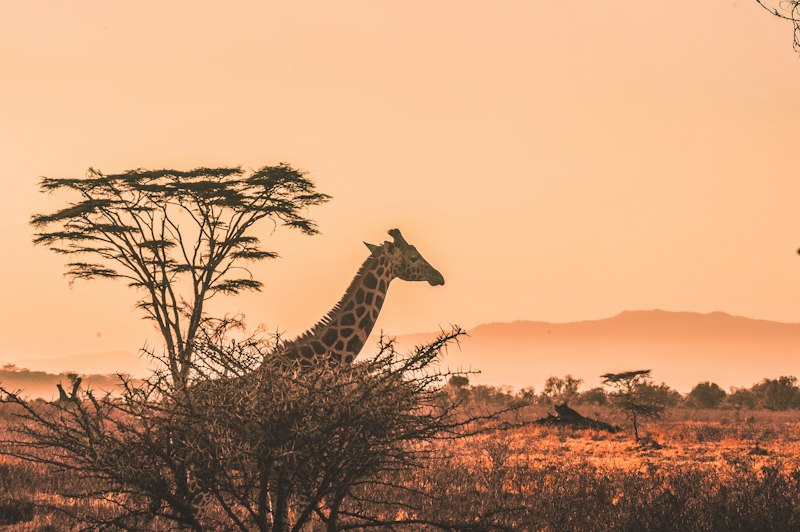
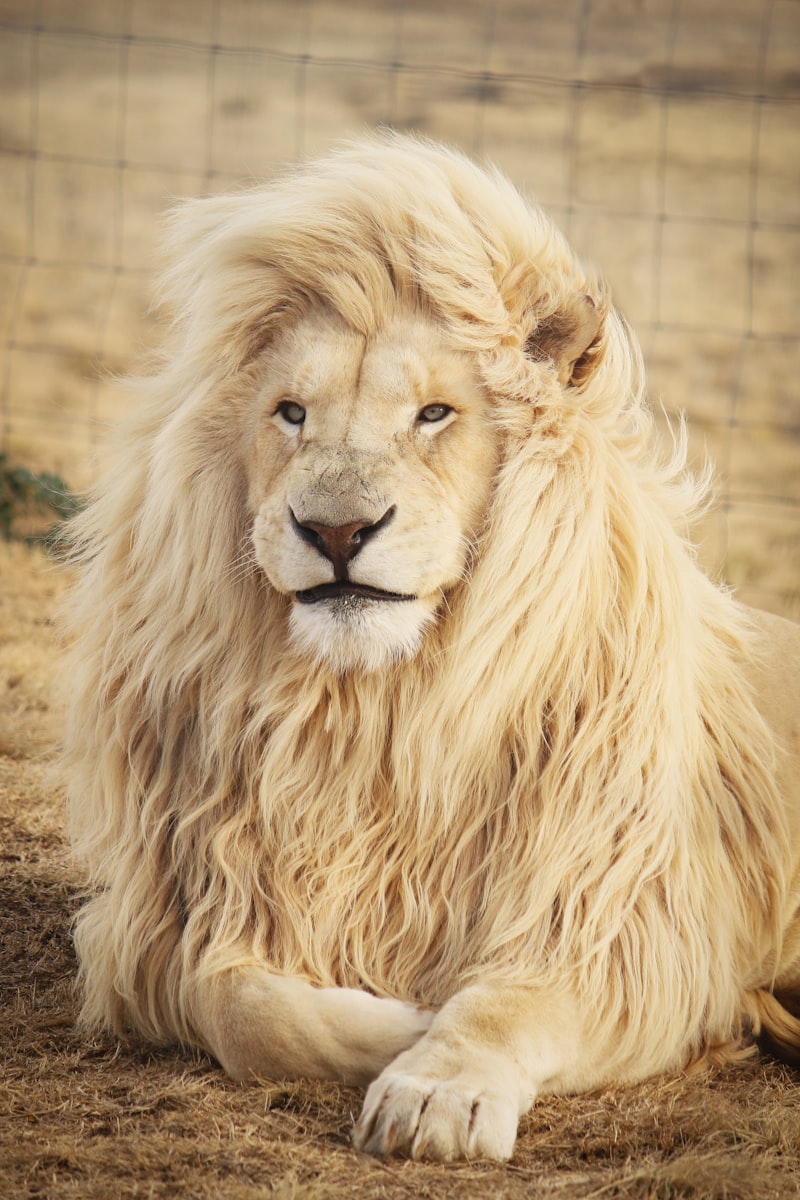
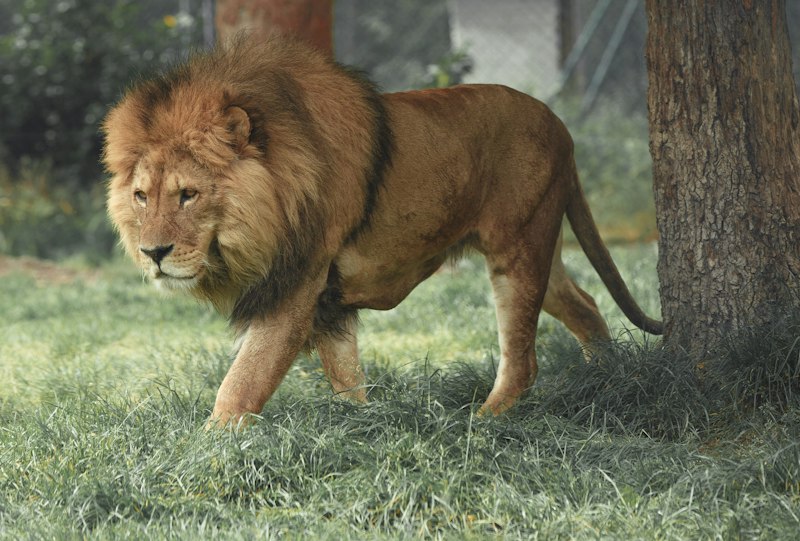

Home of the Great Wildebeest Migration and the Big Five — the Serengeti is Africa's most iconic wilderness.
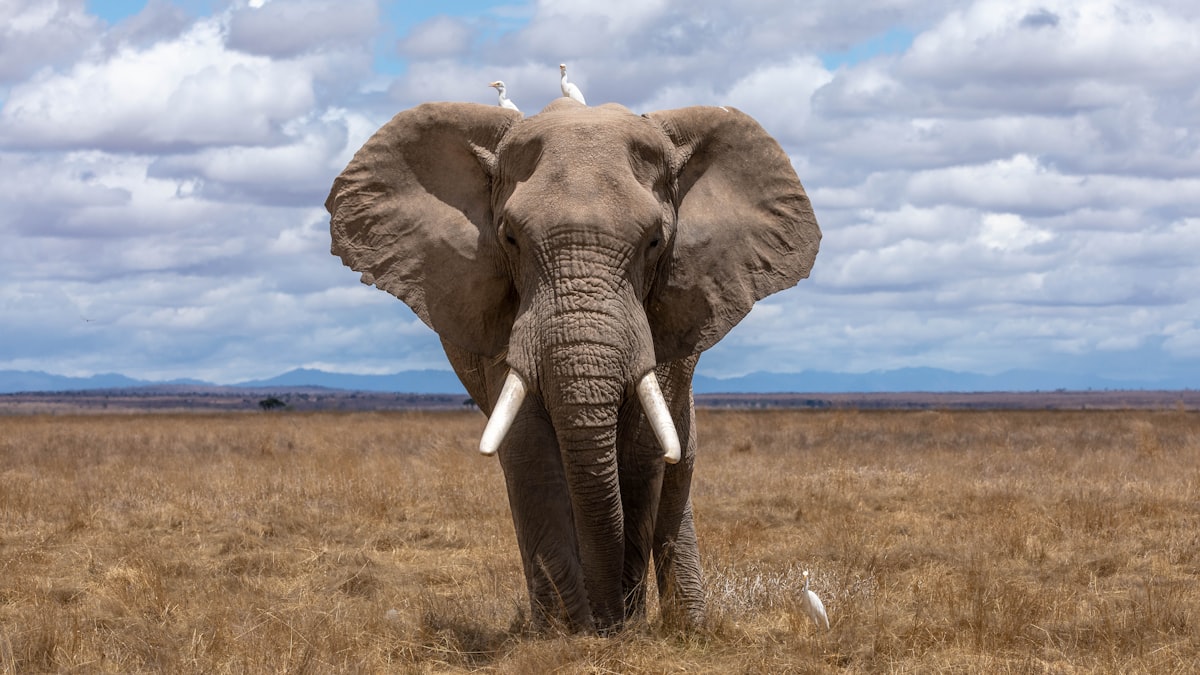
Tanzania's elephant paradise — ancient baobab forests, massive herds, and over 550 bird species in a stunning landscape.
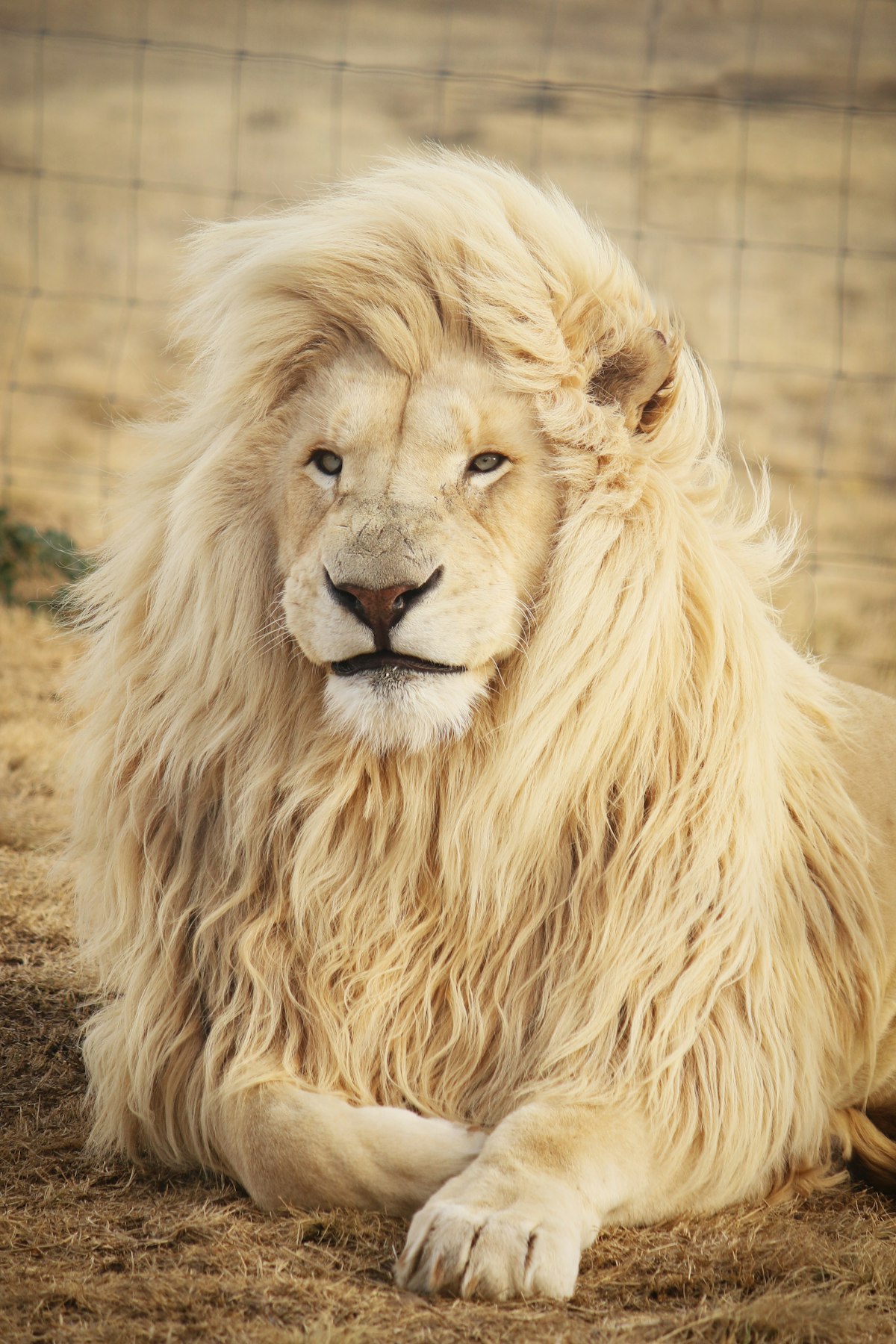
Compact but spectacular — famous for tree-climbing lions, vast flocks of flamingos, and dramatic Rift Valley escarpment views.
Let us craft your perfect safari experience. From the Serengeti plains to the summit of Kilimanjaro, your journey begins with a single step.