Compact but spectacular — famous for tree-climbing lions, vast flocks of flamingos, and dramatic Rift Valley escarpment views.
Lake Manyara National Park may be one of Tanzania's smallest parks, but what it lacks in size it more than makes up for in diversity and drama. Nestled at the base of the Great Rift Valley escarpment, this 330 square kilometer gem packs an incredible variety of habitats — from dense groundwater forest to open grasslands, acacia woodland, and the alkaline lake itself.
The park is perhaps best known for its tree-climbing lions. While lions in most parks rest on the ground, Lake Manyara's lions have developed the unusual habit of climbing and lounging in the branches of mahogany and acacia trees. Spotting a pride draped across the branches is a quintessential Lake Manyara experience.
The lake, which covers roughly two-thirds of the park, attracts vast flocks of flamingos whose pink hue creates a stunning contrast against the blue water. Over 400 bird species have been recorded here, making it one of the richest birding destinations in East Africa.
The dramatic Rift Valley wall rising from the western edge of the park provides spectacular viewpoints and acts as a natural boundary, creating a microclimate that supports the lush groundwater forest near the entrance — a habitat not found elsewhere on the northern circuit.

Home of the Great Wildebeest Migration and the Big Five — the Serengeti is Africa's most iconic wilderness.
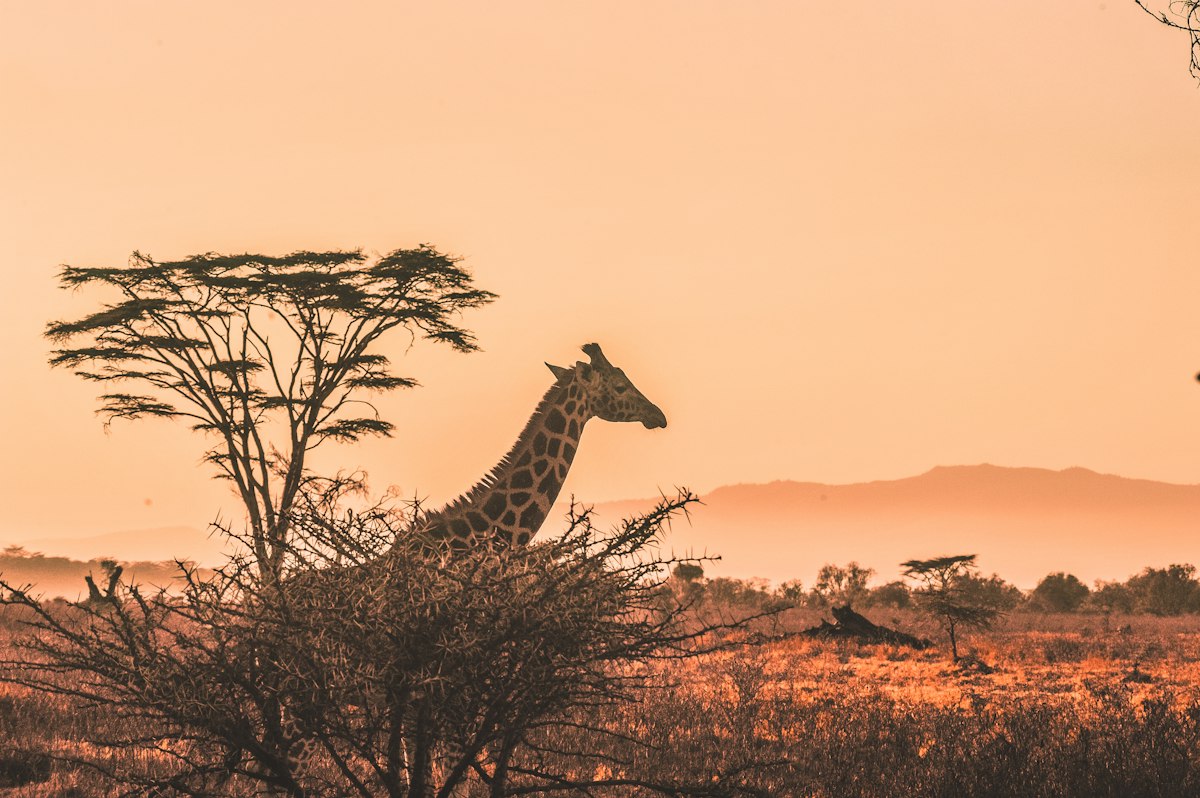
The world's largest intact volcanic caldera — a UNESCO World Heritage Site teeming with 25,000 large animals in 260 km².
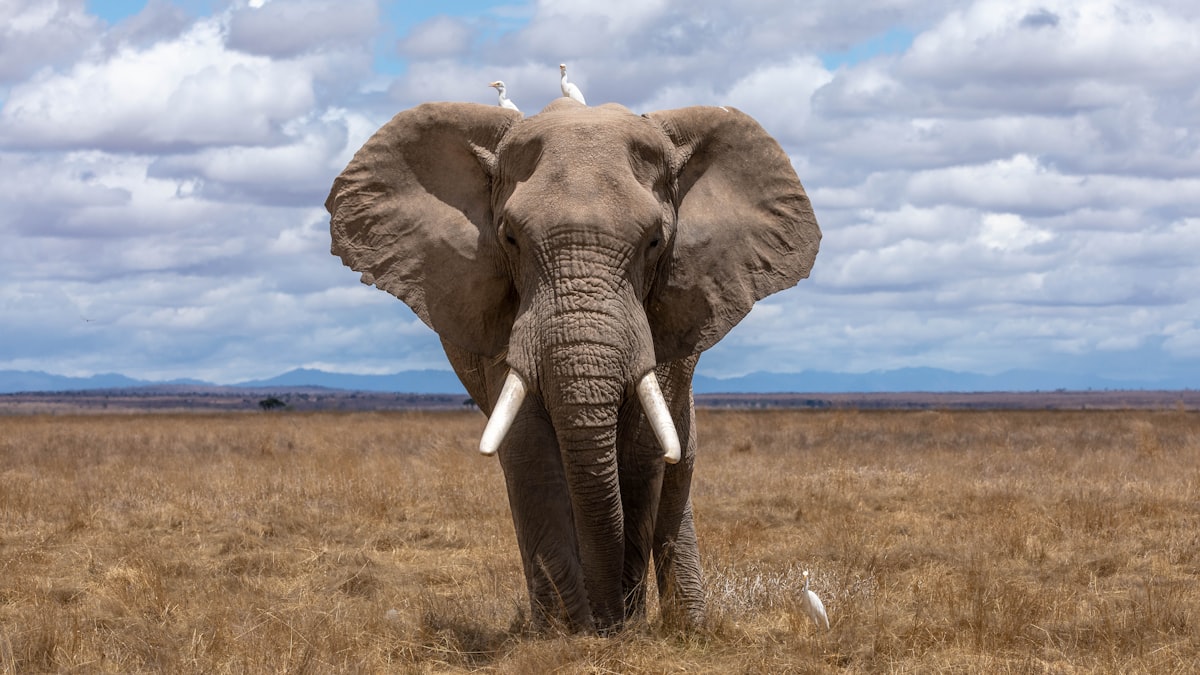
Tanzania's elephant paradise — ancient baobab forests, massive herds, and over 550 bird species in a stunning landscape.
Let us craft your perfect safari experience. From the Serengeti plains to the summit of Kilimanjaro, your journey begins with a single step.